











Loading roof racks properly: Roof load, distribution and securing
The roof rack is the most flexible storage space on the off-roader – and the most sensitive. Too much weight on top noticeably changes the handling, especially in corners, in crosswinds, and when tilted off-road.
Check the roof load
The dynamic roof load is crucial, i.e. the weight while driving. It is stated in the vehicle and roof rack manuals; the lower value always counts. The weight of the roof rack itself is included. The static roof load when stationary – for example for a rooftop tent with people – is usually significantly higher.
What belongs on the roof
Light and bulky items: sleeping bag, clothing, camping furniture, snowboards, empty canisters. Heavy items such as water, tools, canned goods and coolers belong inside the vehicle, as low as possible and between the axles.
Distribute the weight
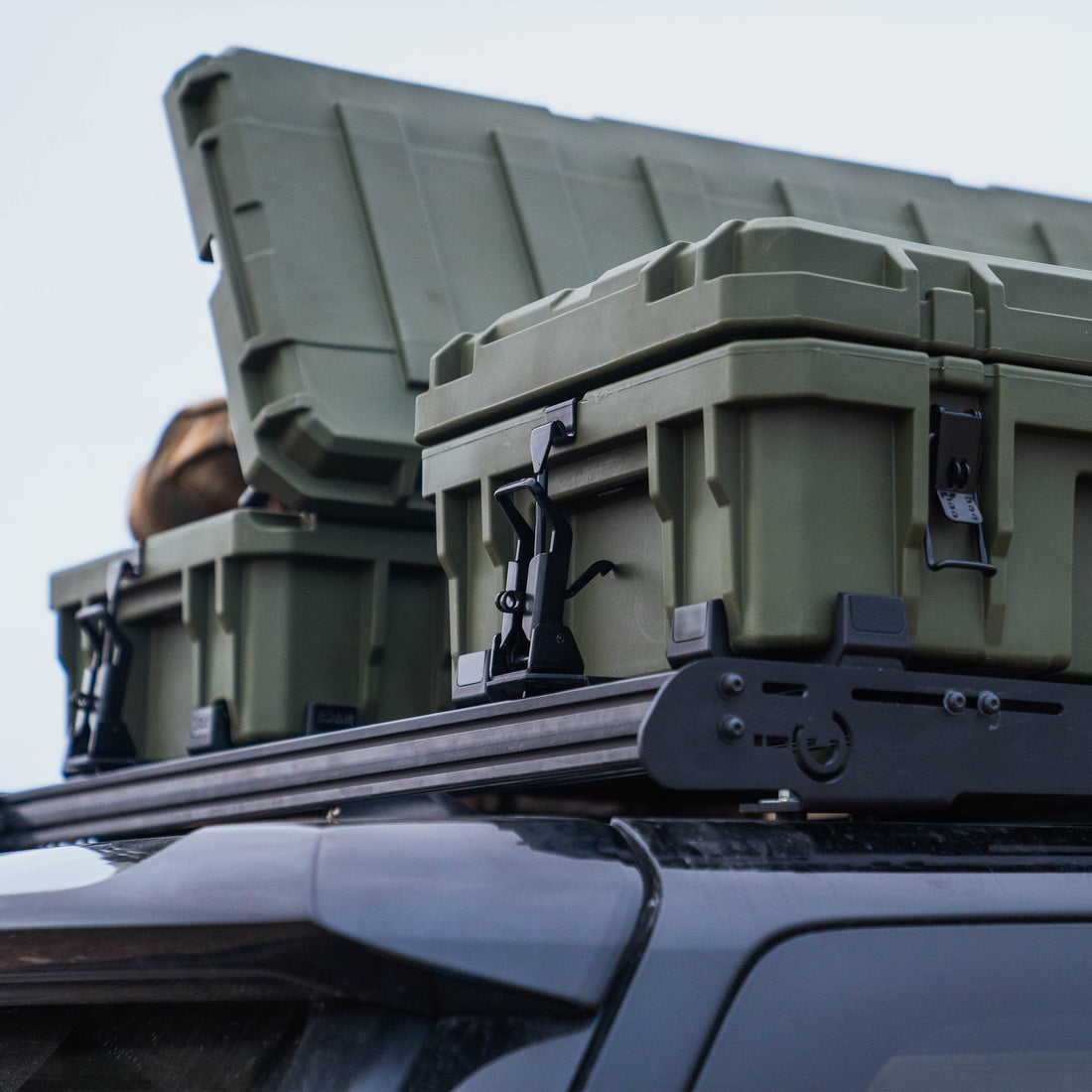
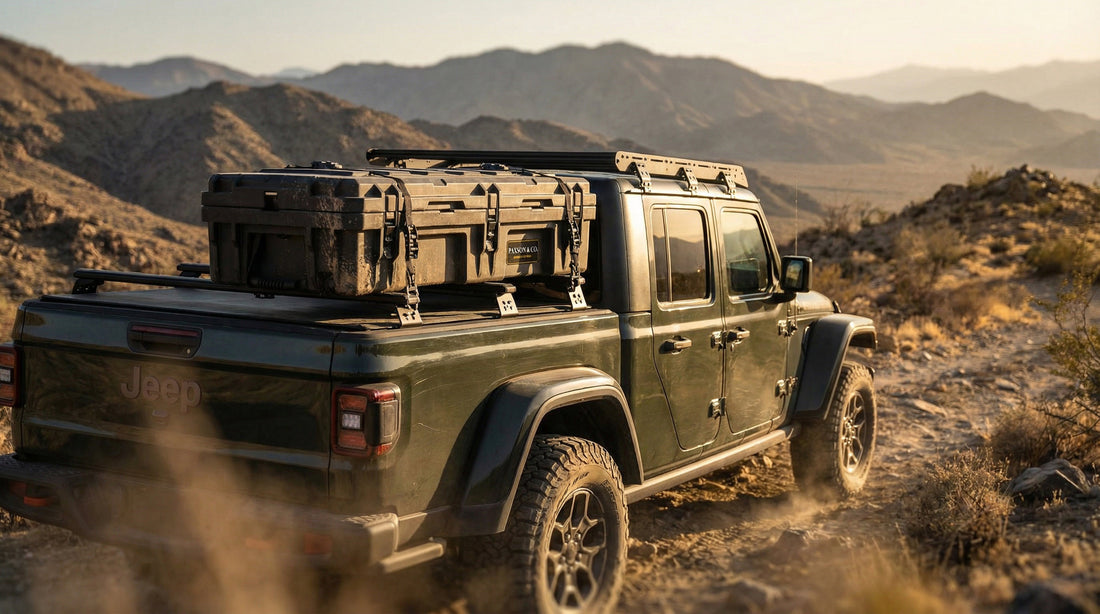
Distribute the load evenly across the rack and place it as centrally as possible between the axles. Balance the boxes on the left and right and pack heavy items at the bottom of the boxes.
Secure properly
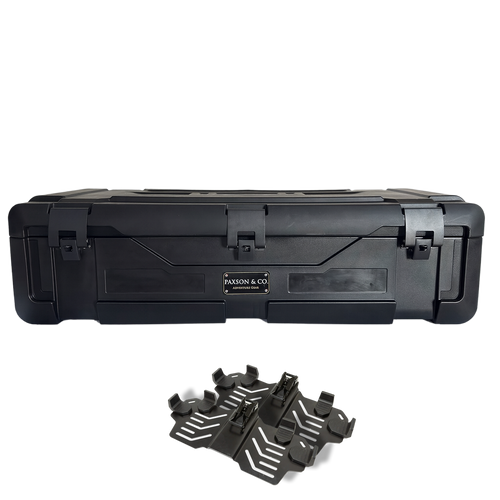
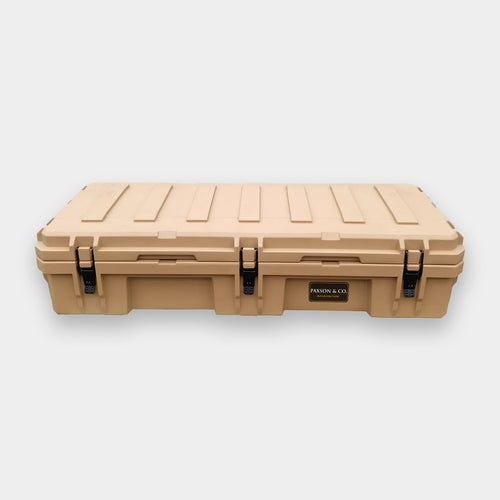
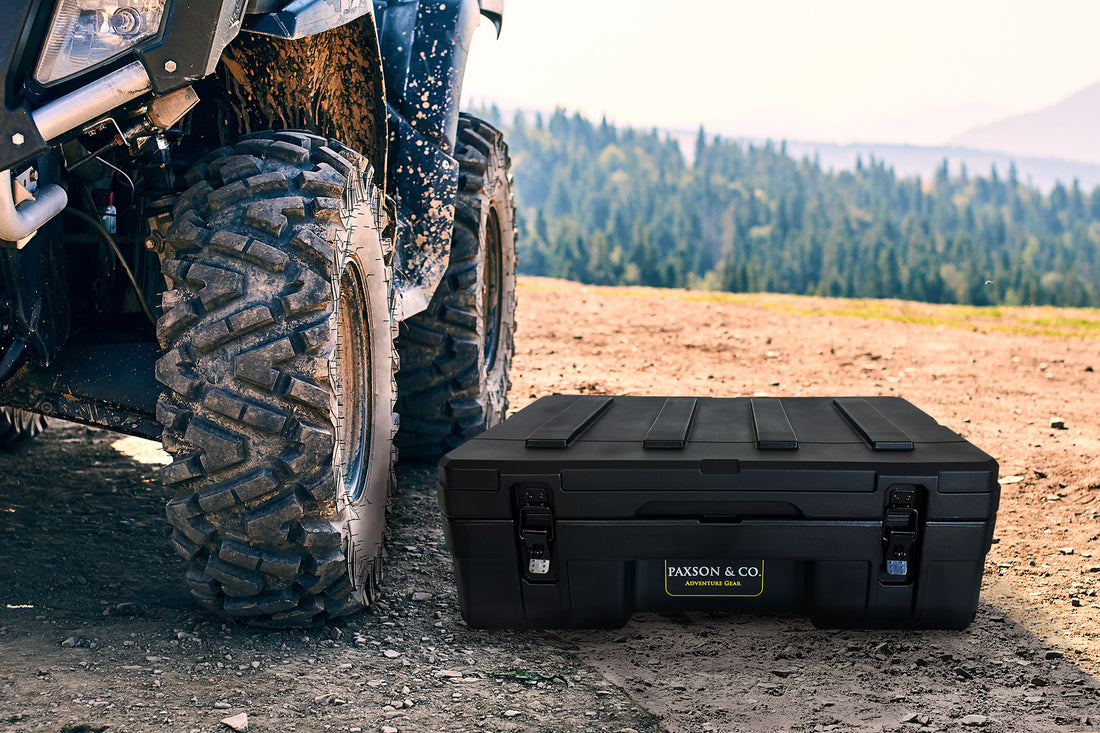
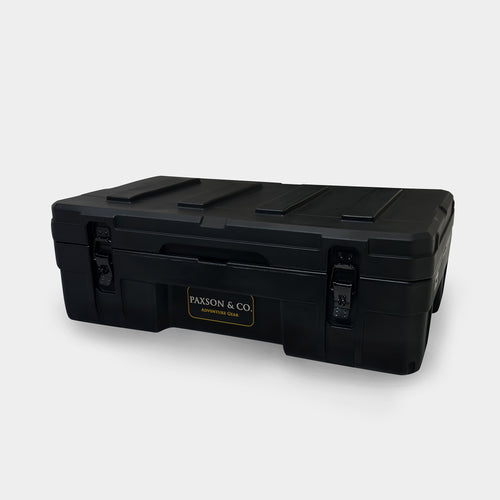
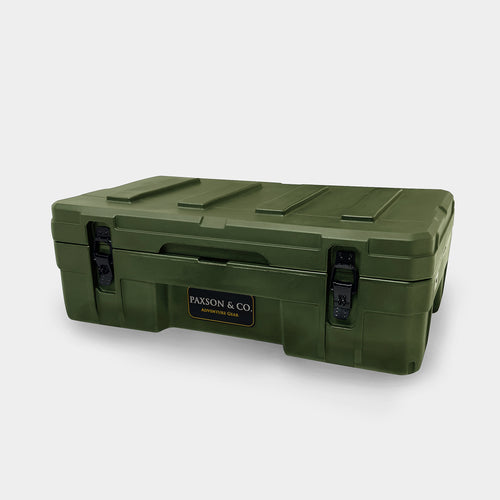
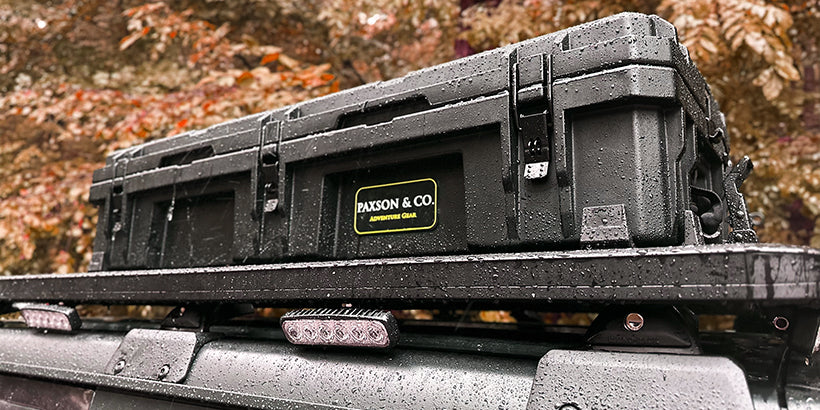
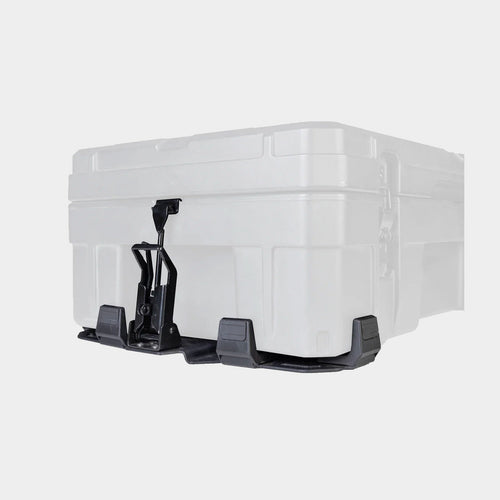
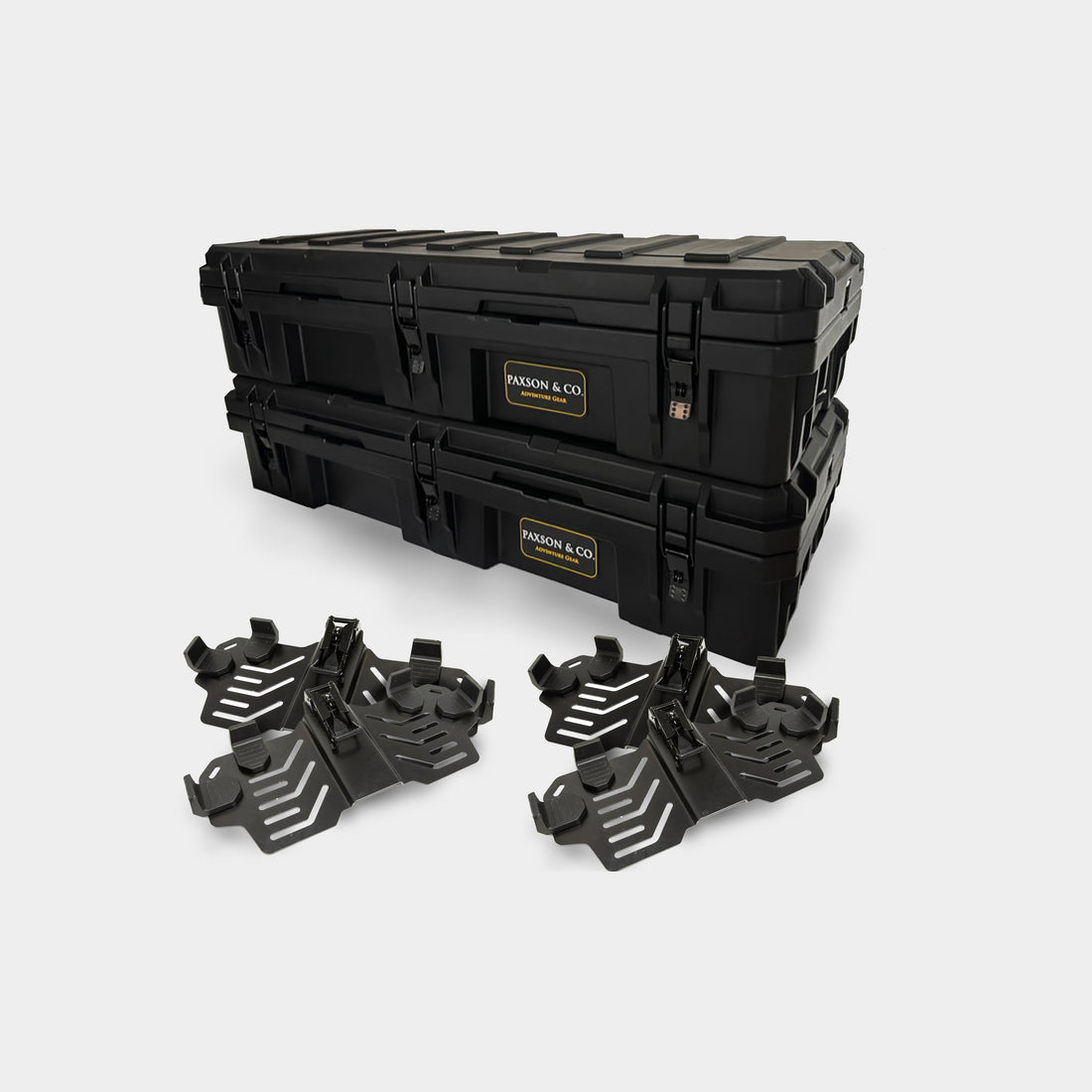
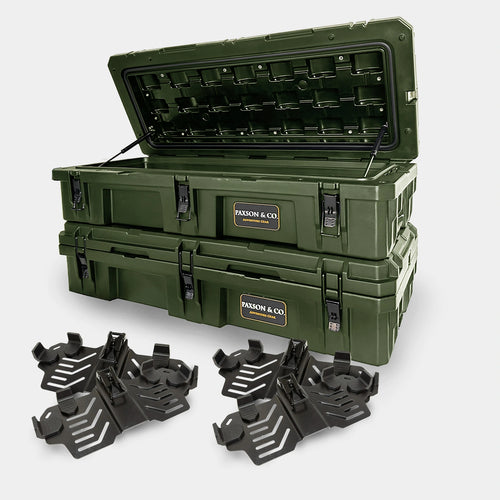
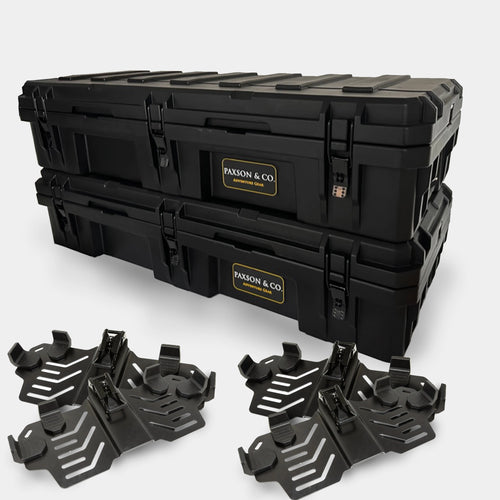
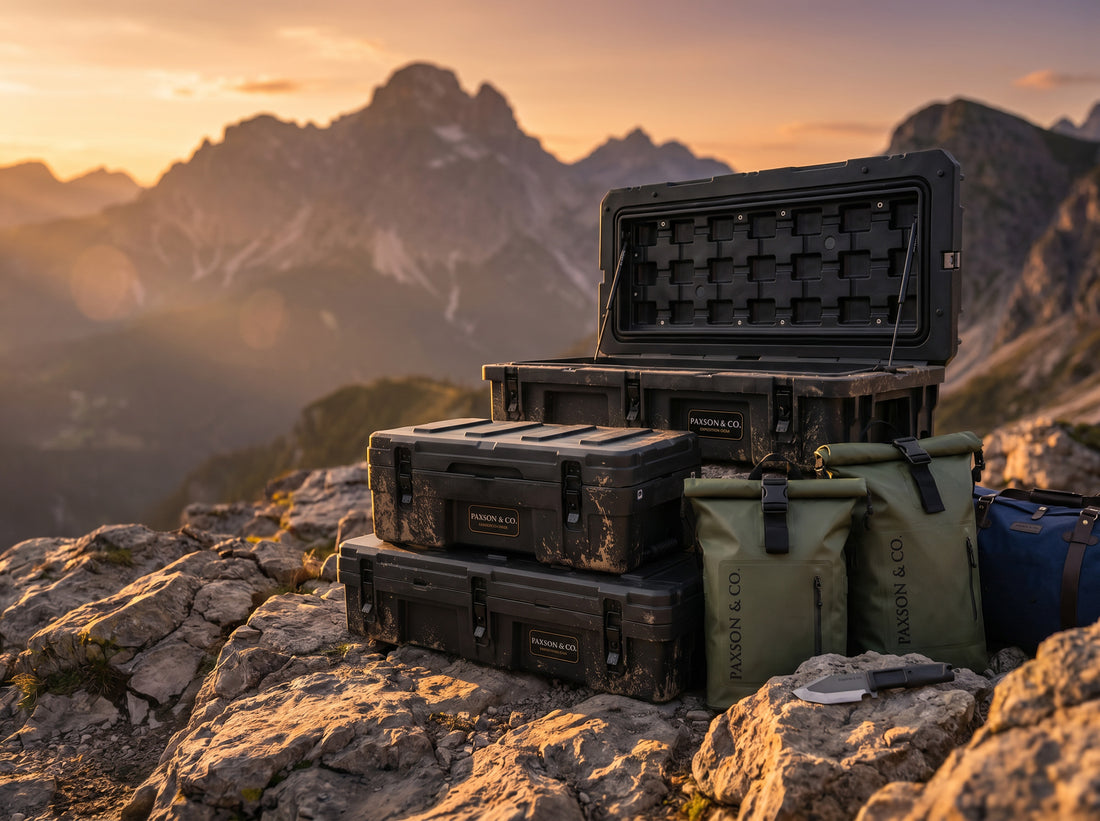
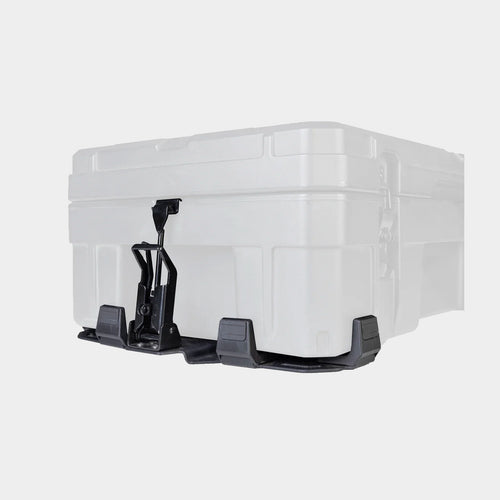
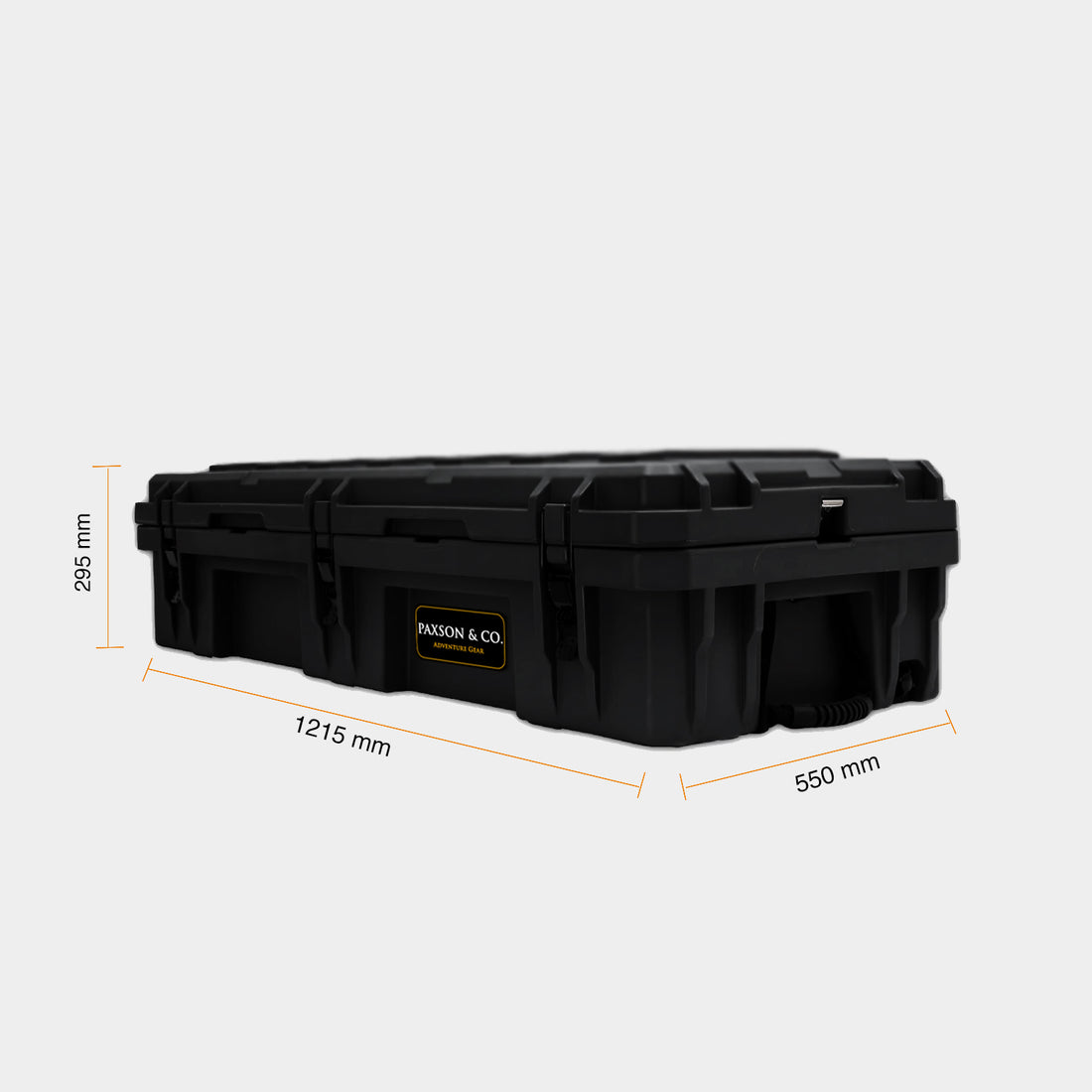
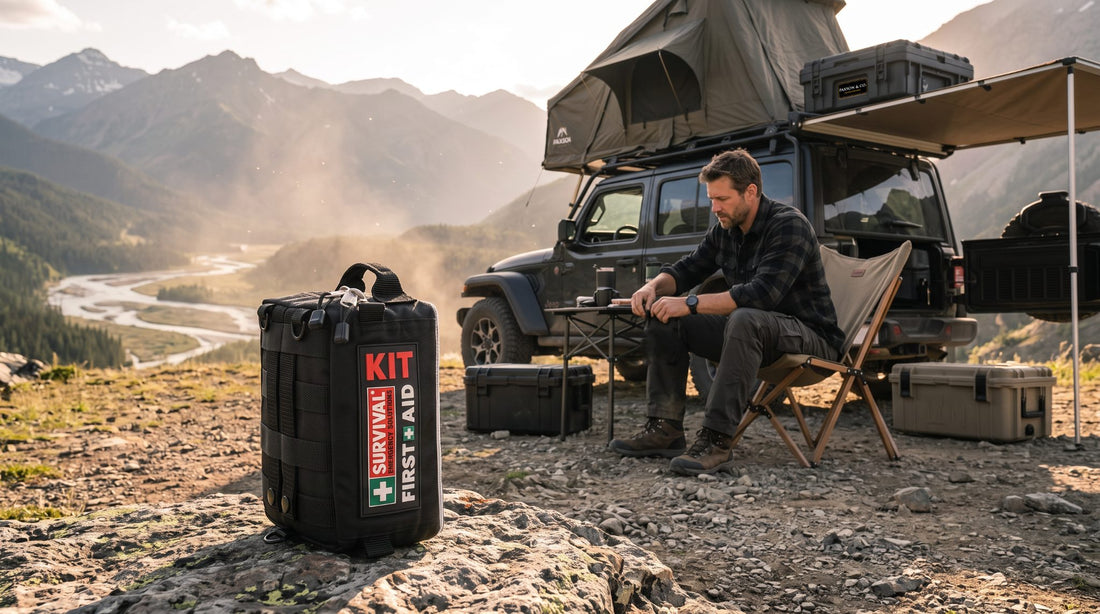
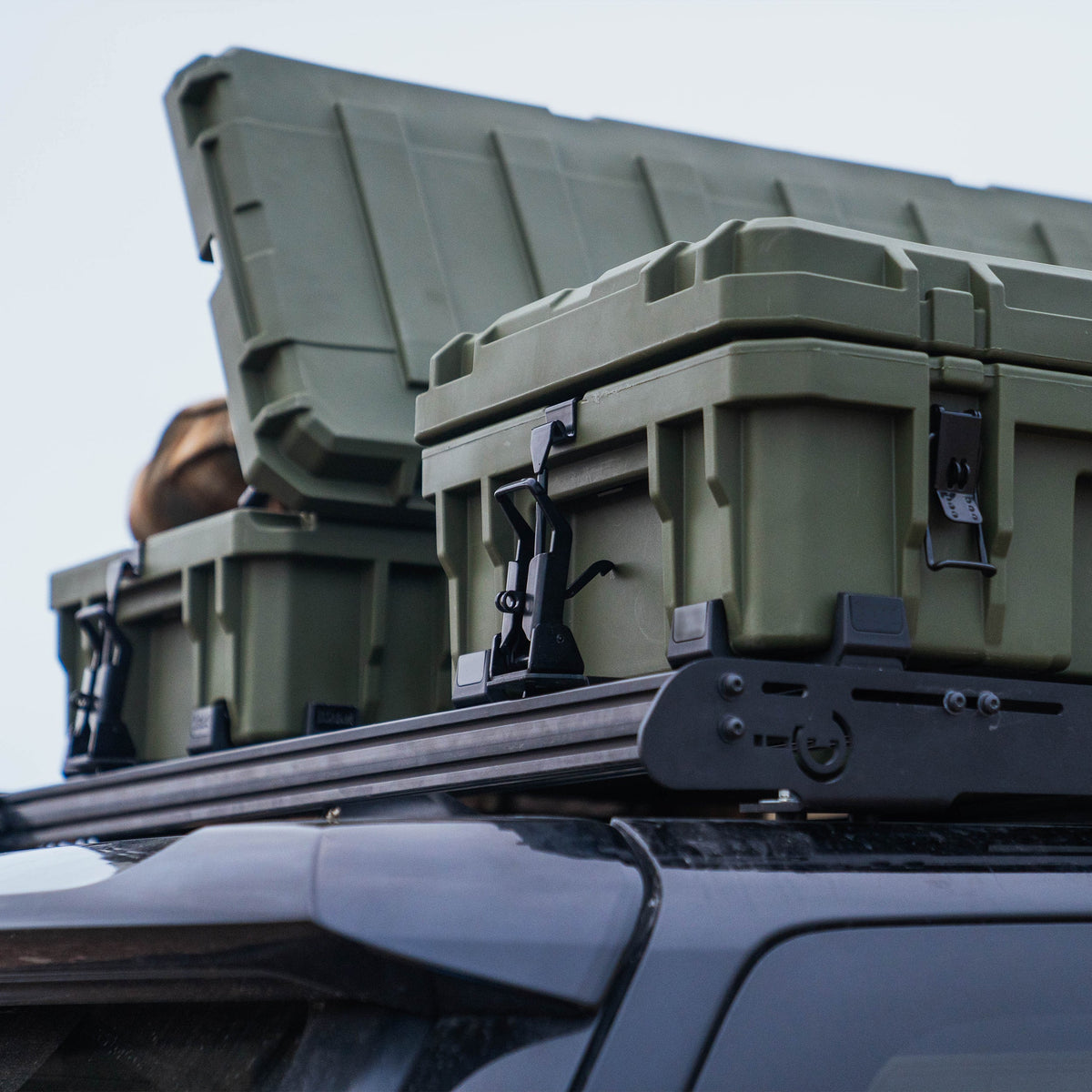
Everything on the roof must be secured so that it does not slip even during emergency braking. Boxes with the PAXSON Quick Release System sit securely and locked on the rack and can be removed at the campsite in seconds. Additional cargo is secured with padded tie-down straps.
Water and dust
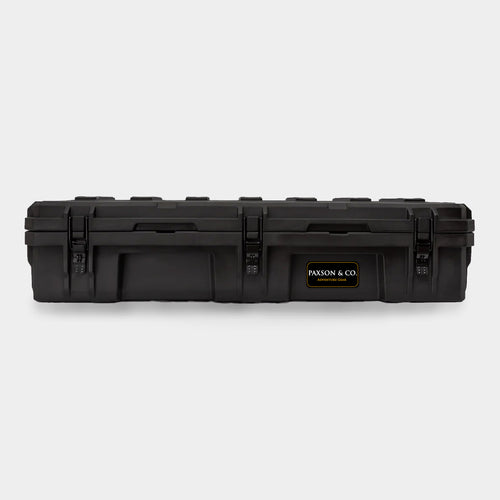
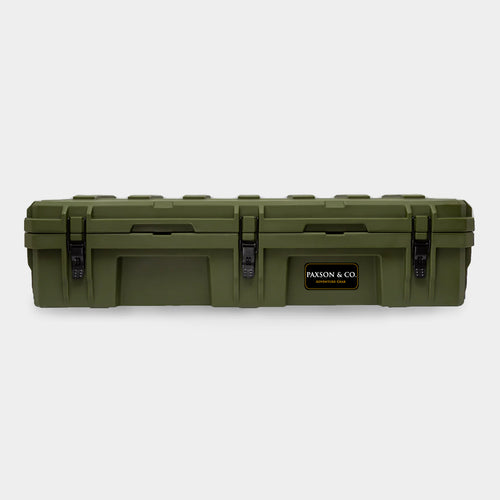
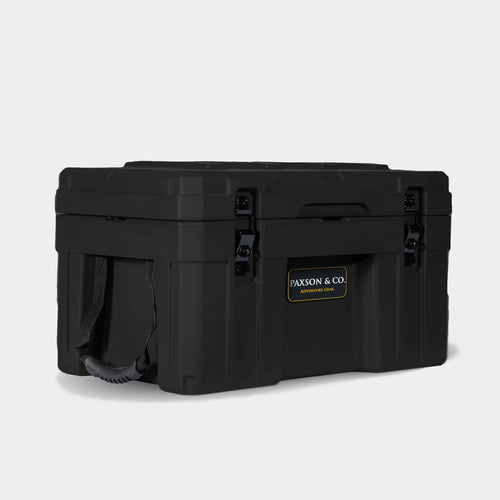
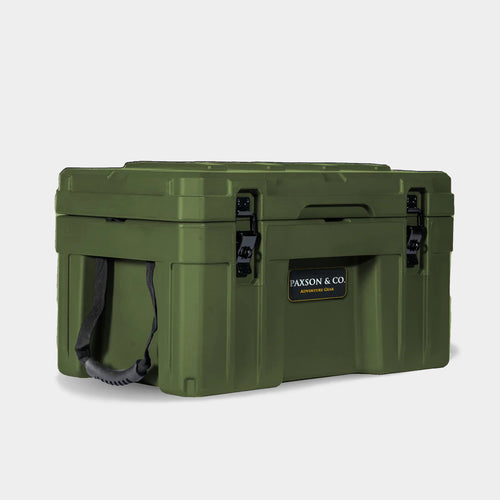
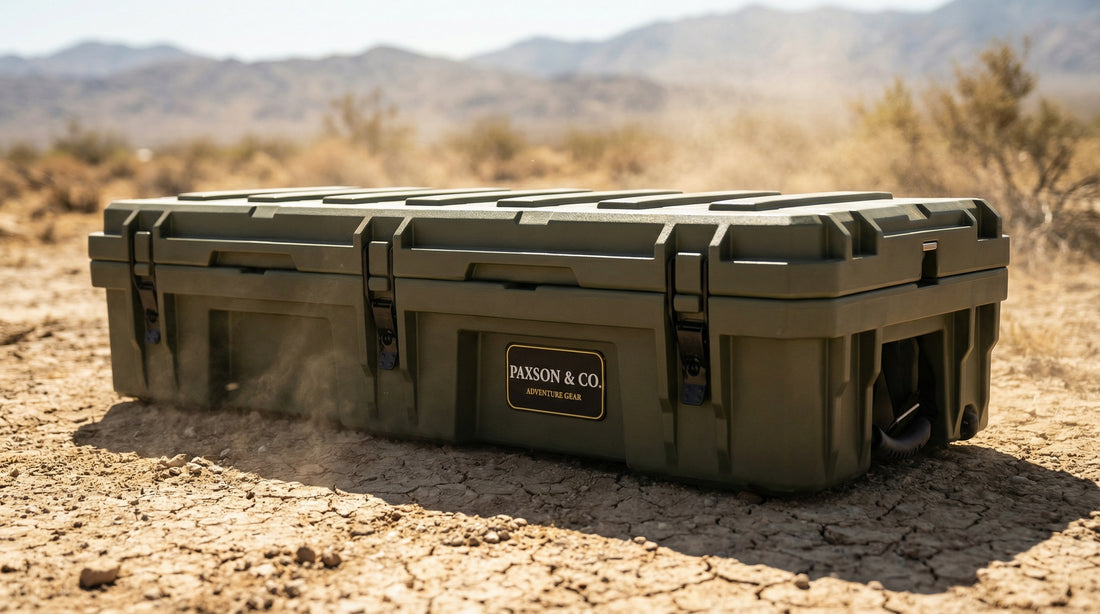
On the roof, the equipment gets everything: rain, dust, sun. Water- and dust-tight Offroad Boxes based on the IP67 principle reliably protect the contents; a combination lock protects against theft.
Before every trip
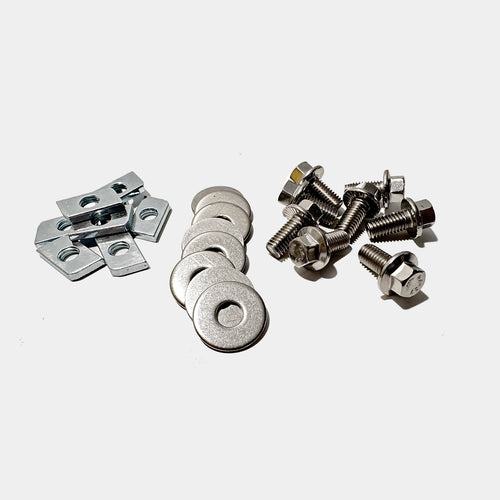
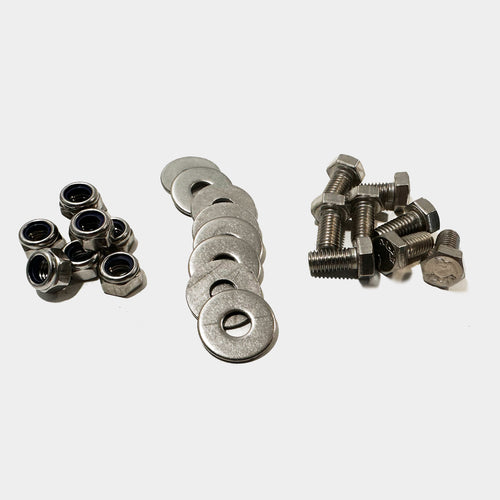
- Check the screws and brackets of the roof rack.
- After the first 50 kilometers, check the straps and fasteners.
- Keep an eye on the vehicle height – underground garages and ferries have limits.


